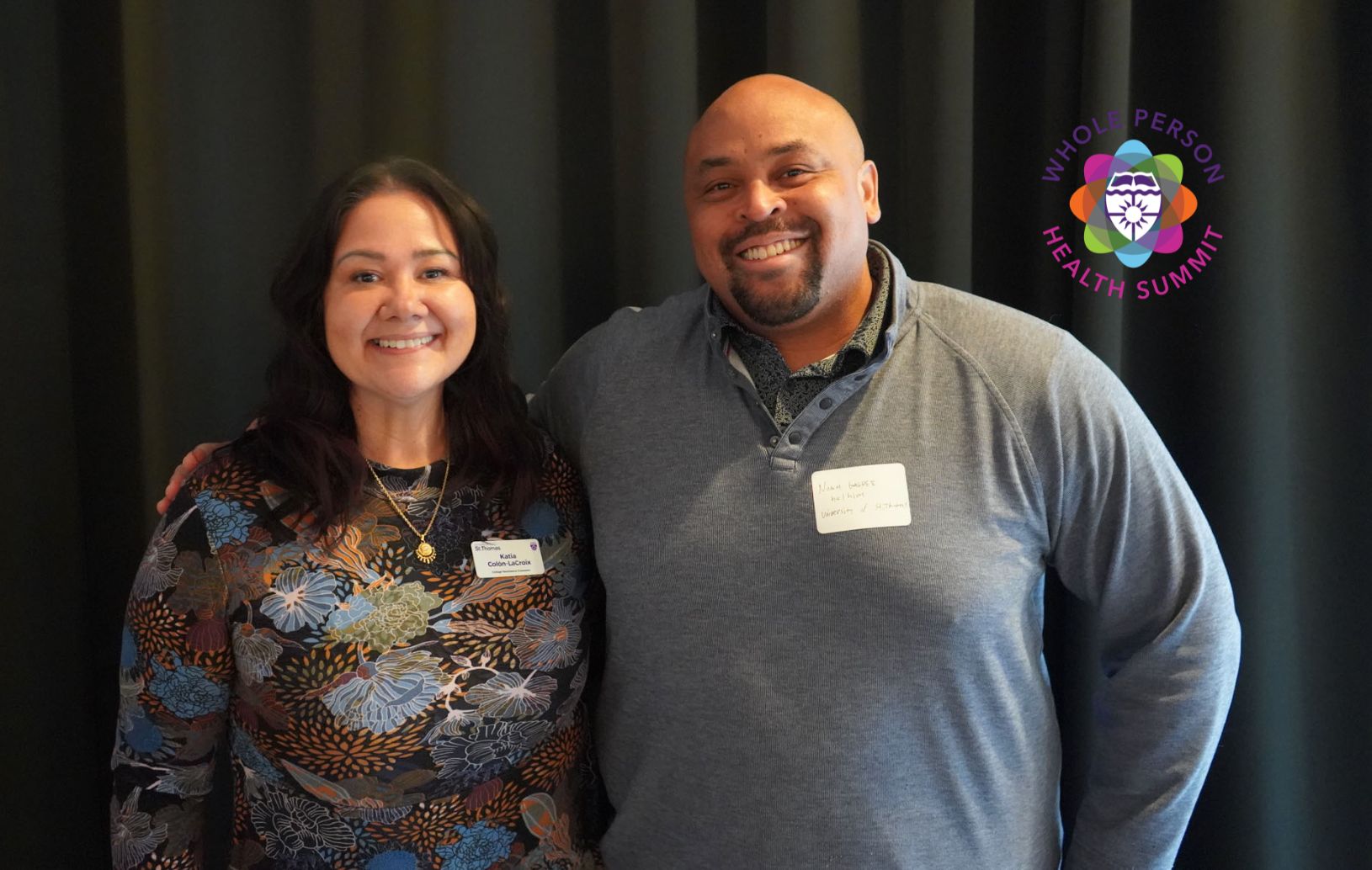
Before finishing her dissertation for her Doctor of Education at the University of St. Thomas, Katia Colon-LaCroix used the “control find” feature to search and delete the word “resilience” entirely from her research paper, which examines the measures of success for and by first-generation college students of color.
“I didn't do that because I don't value resilience,” said Colón-LaCroix, who received her EdD from the School of Education in January 2026. “But sometimes I think, especially in educational research, people see the word ‘resilience’ and that is like a note to them that, ‘oh, we don't need to change as an institution.’”
Too often, she said, some institutions will implement solutions without speaking to those directly impacted. In reality, she said, institutions need to continually change.
“We hold the obligation to create change in these systems, so that our students, patients, community members cannot just survive but be sustained by the systems and thrive within them.”
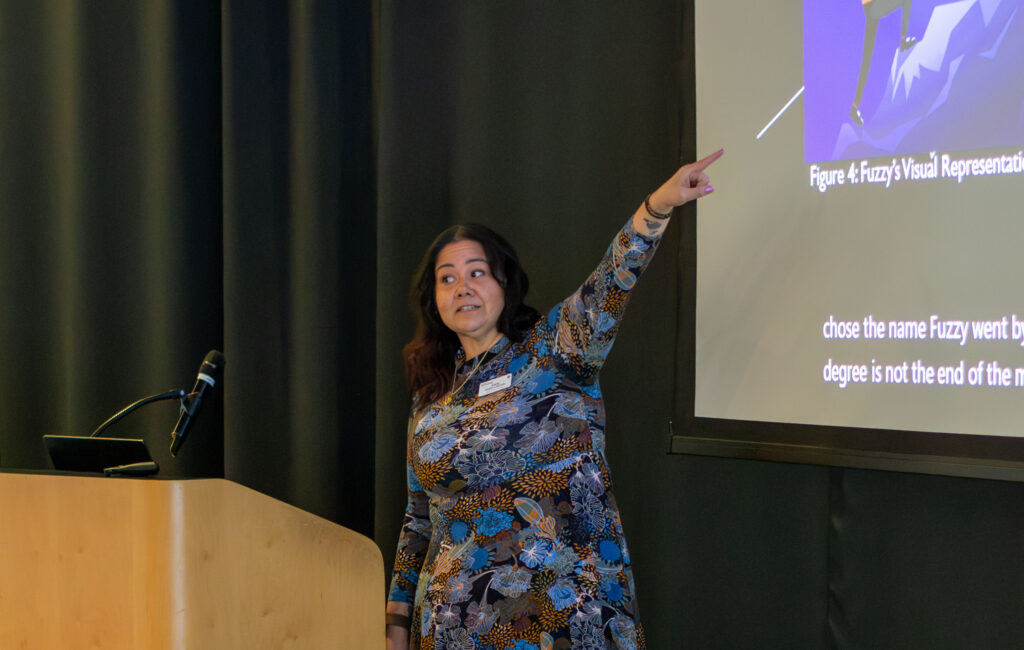
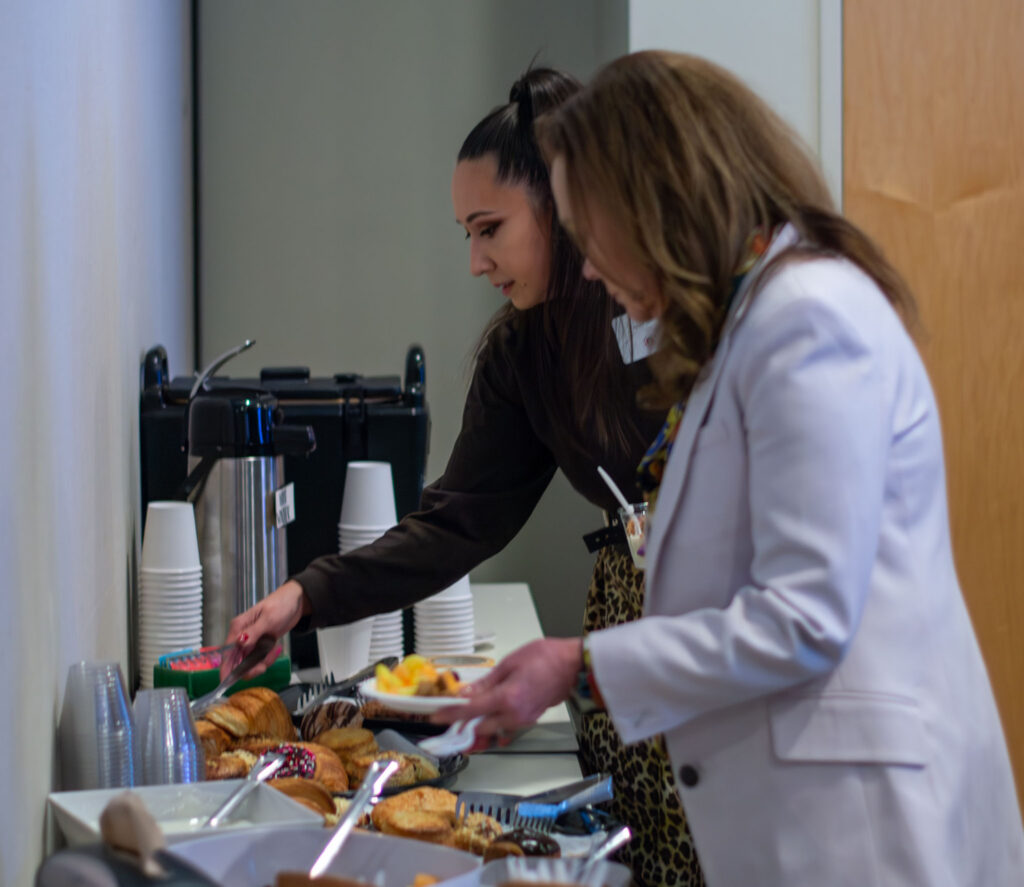
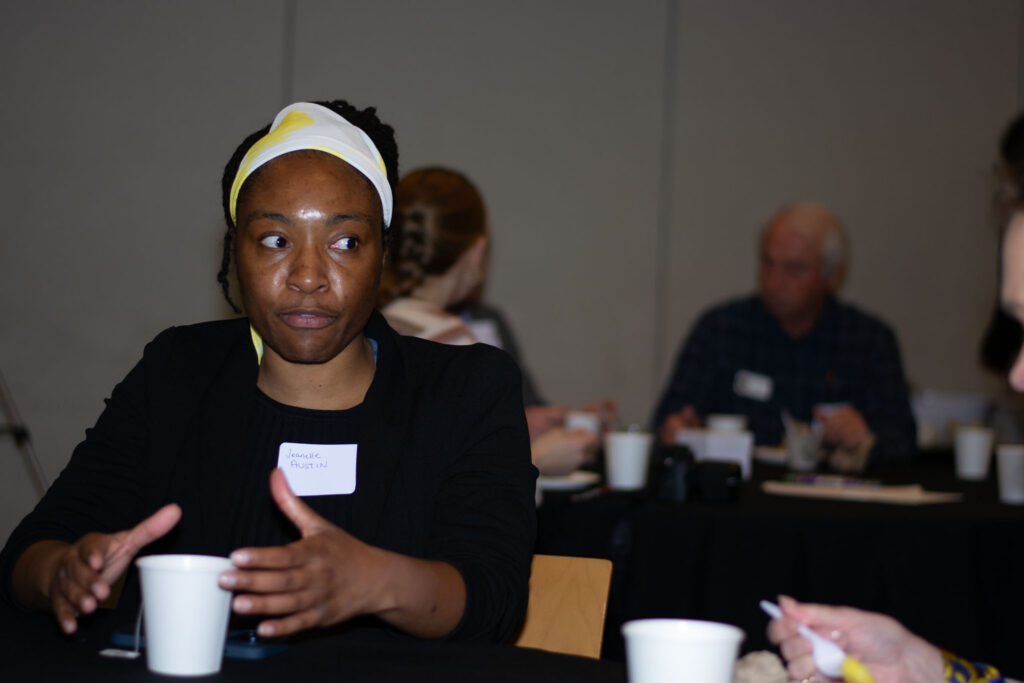
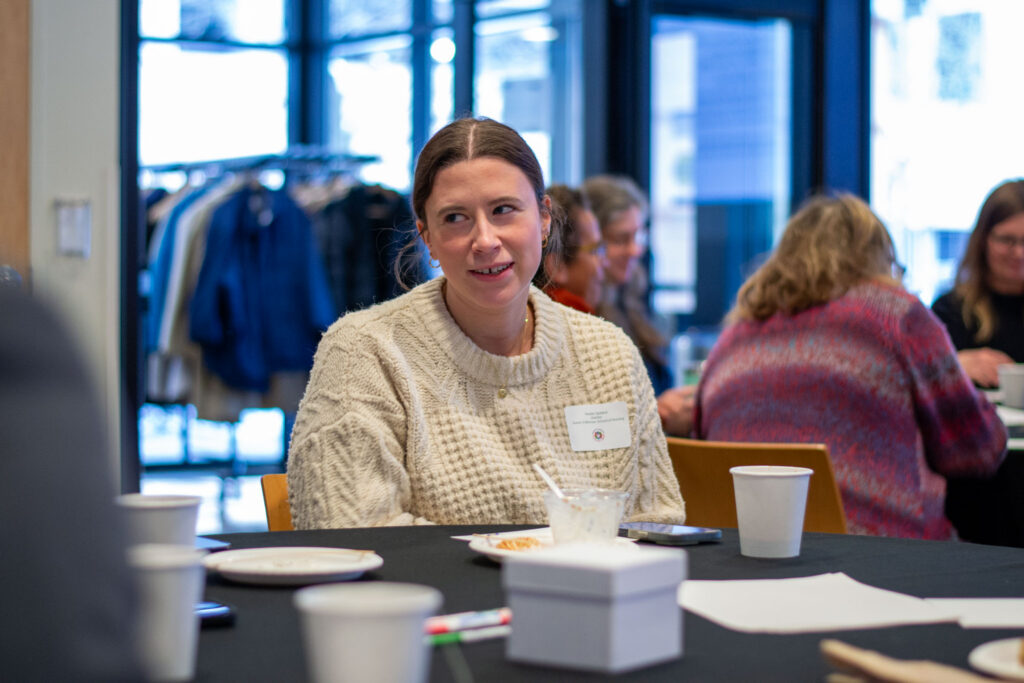
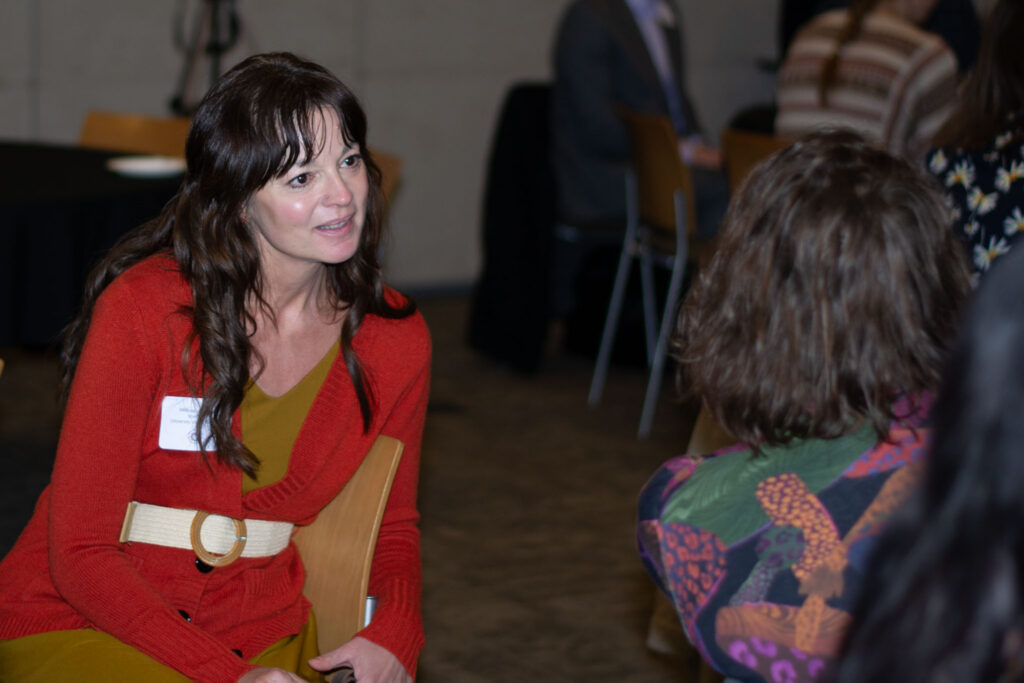
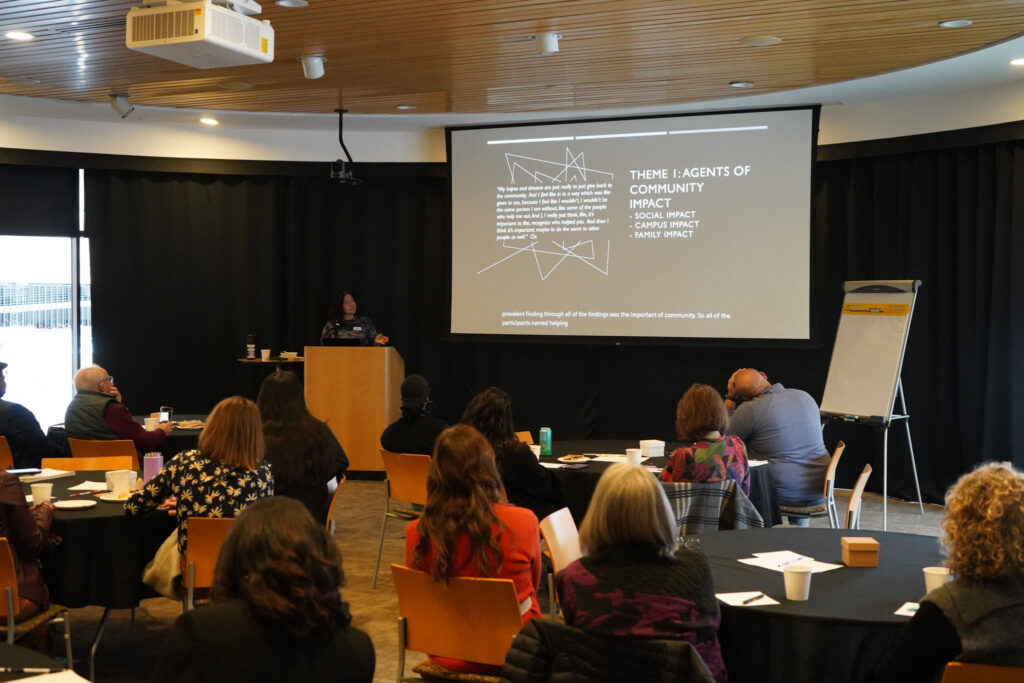
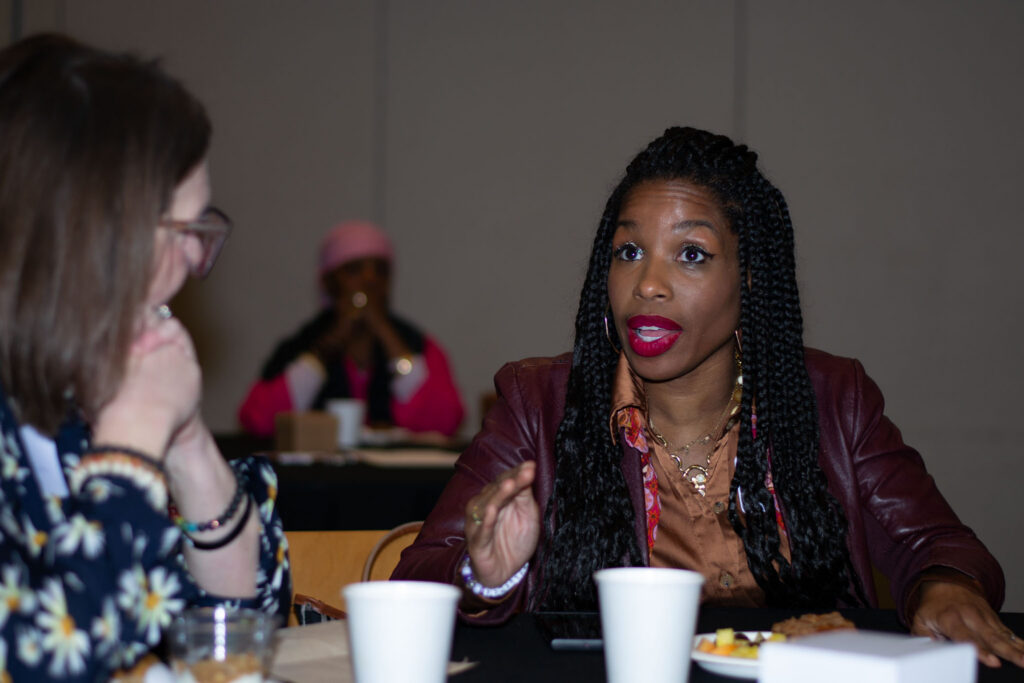
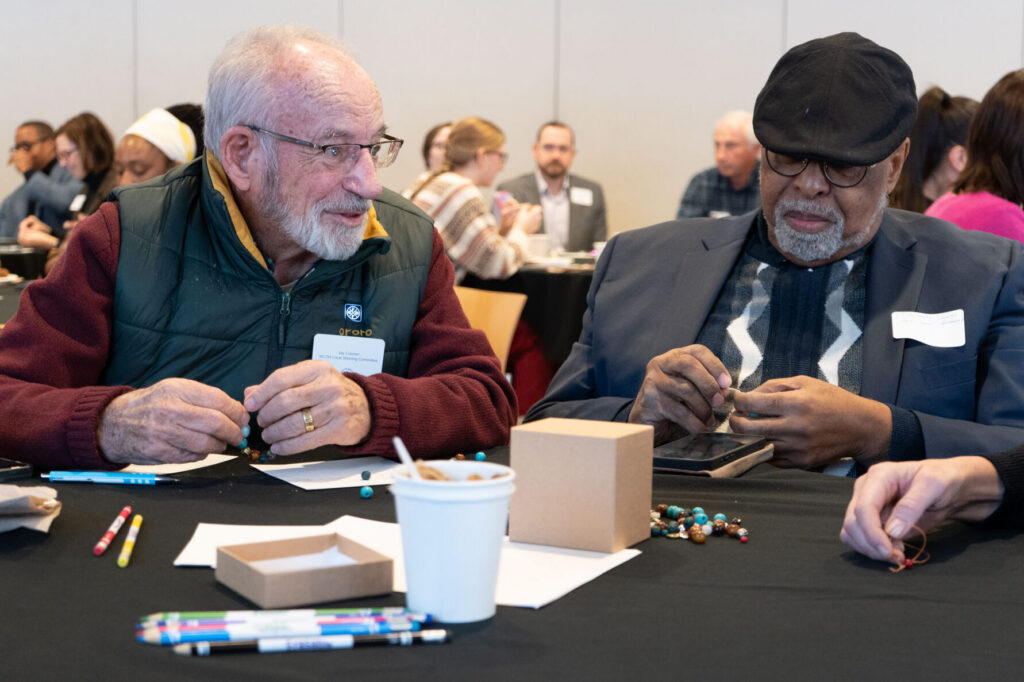
Colón-LaCroix, a college persistence counselor at Dougherty Family College, shared her results with attendees at one of the Morrison Family College of Health’s Health Equity Breakfasts. The series, which has another session exploring resilience occurring on March 24 from 8:30-10 a.m. at Wilder Foundation, brings together St. Thomas students, faculty and staff, health professionals, and community members to discuss strategies that improve health using whole person, community-focused approaches.
This year’s sessions are a precursor to the college’s annual Whole Person Health Summit on April 16 that will examine the concept of resilience through multiple lenses - individually, as health professionals, in community, and through organizational and system change – through the theme “Resilience Rooted in Strength."
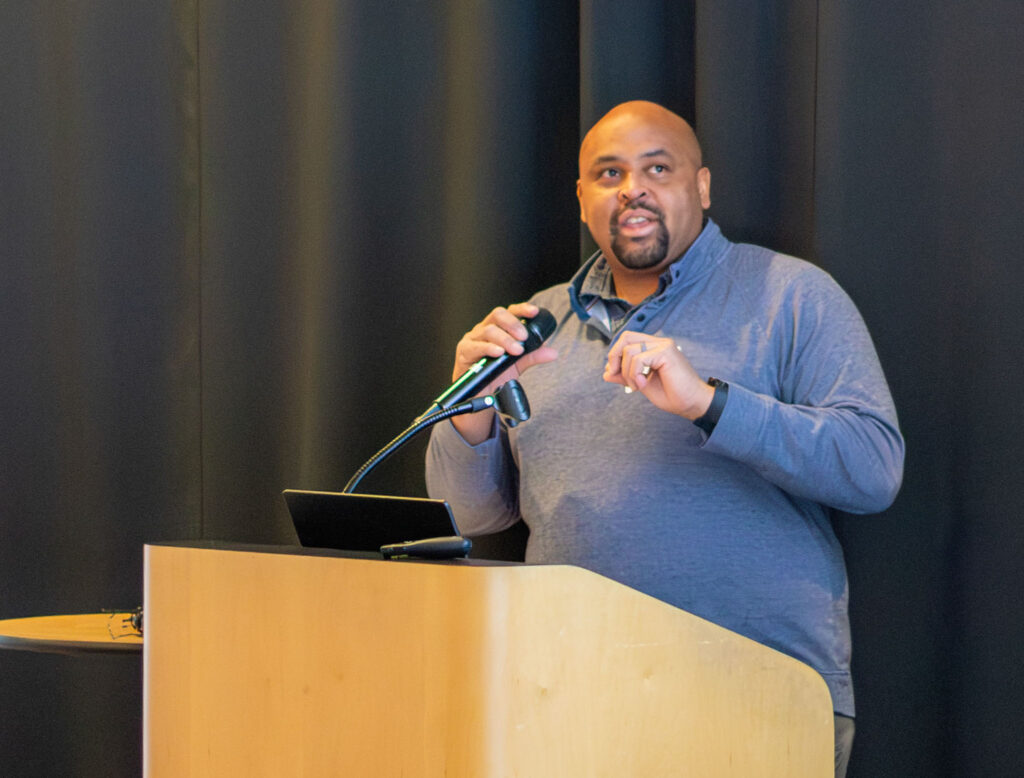
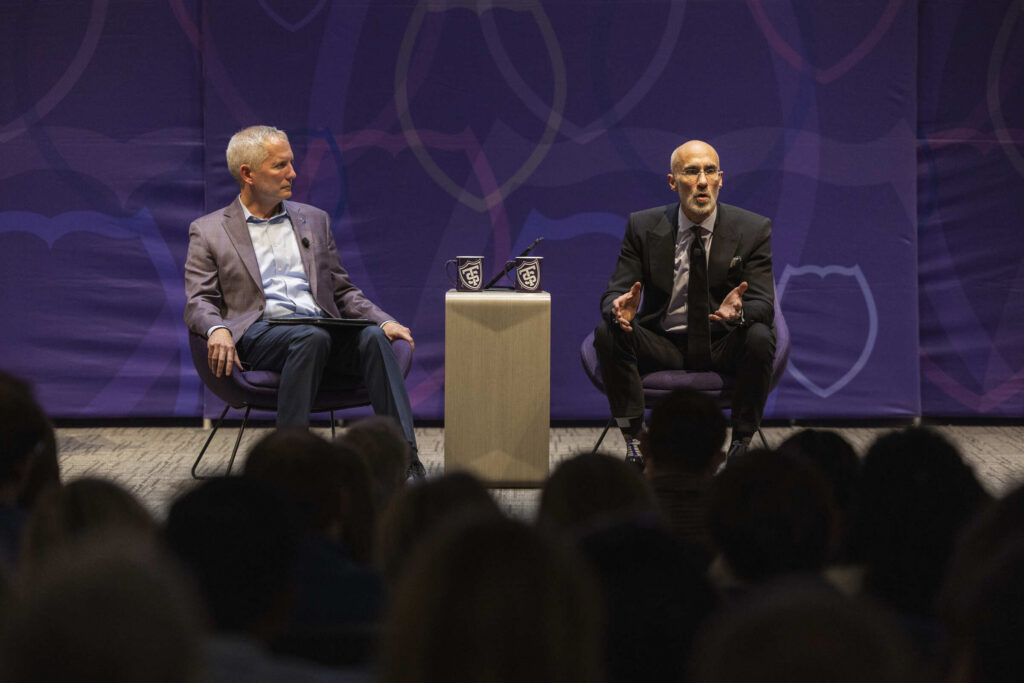
Dr. Noah Gagner, an assistant professor in the Graduate School of Professional Psychology at St. Thomas, co-facilitated the February breakfast, where they shared ways to shift deficit-focused narratives to stories of strength, resilience and agency.
Gagner says while the typical narrative about resilience focuses on how a person bounces back to a form prior to trauma, there’s more to it than that.
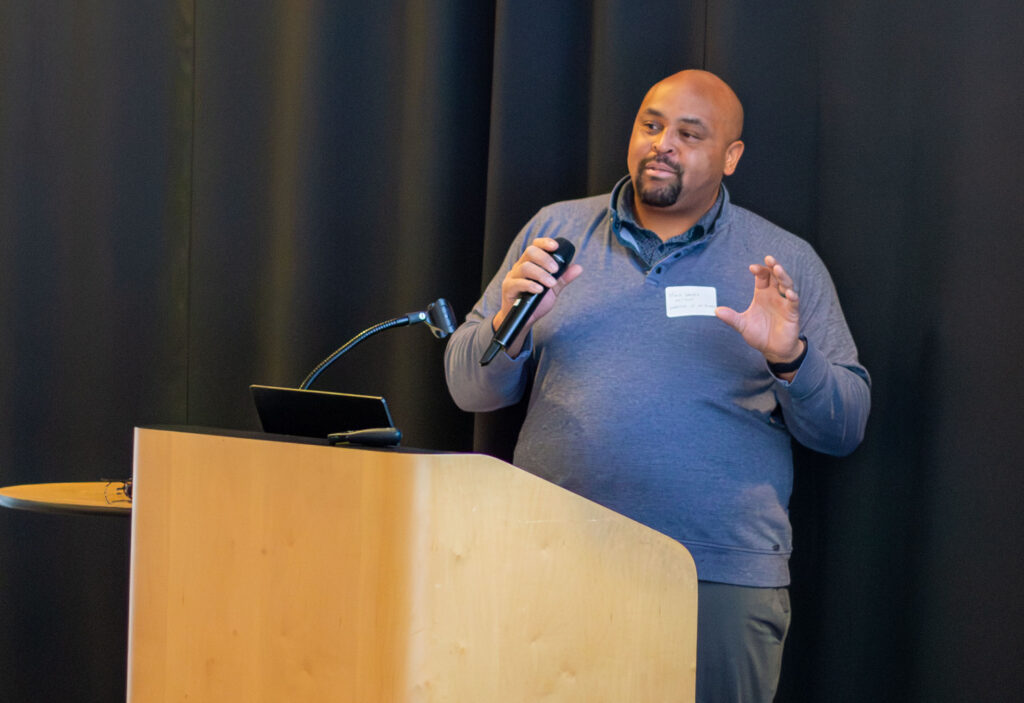
He compared resilience after trauma to a broken wire hanger, suggesting no matter how a person tries to get it back to its original form; it’s never the same.
“This new form is not a failure of resilience, but it's a testament to the wisdom and agency gained through the experience of bending,” Gagner said.
Too often, he explained, “dominant discourses often determine whose story is told, whose story is validated, whose story is accepted.” The goal of health professionals, he added, should be “to shift our orientation from ‘What’s wrong with you?’ to ‘What happened to you?’”
One way this is done is by letting marginalized voices tell their own stories and using those narratives to define what success and support look like to them.
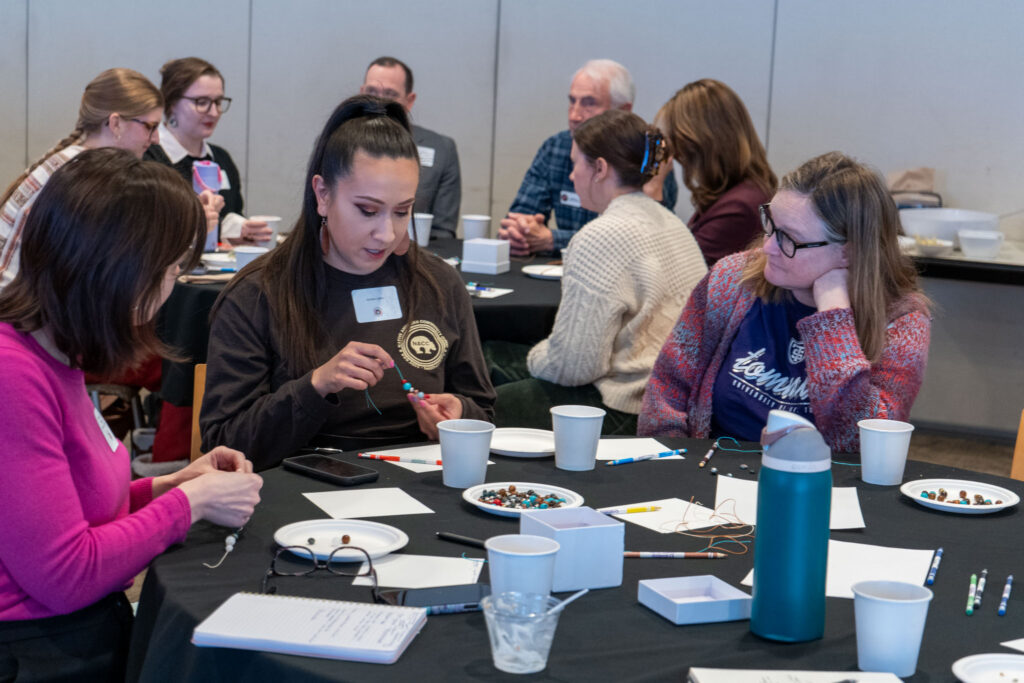
Colón-LaCroix revealed how she used this approach for her dissertation. Titled “Refocusing the Lens: A Grounded Theory of Success and Support for and by First-Generation College Students of Color,” her results counter the dominant narratives.
“The more I read the academic story of success for first-generation students and students of color, the more I became frustrated,” she said. “I saw this narrative that was riddled with challenge and deficit and struggle, and that didn’t always line up with what my experience was.”
The Minneapolis native of Puerto Rican descent who has worked in education for more than 20 years, grew up in a family that deeply valued higher education. Her parents chose to raise their family in Minnesota because they believed it would give their children access to the strong educational opportunities.
Even though Minneapolis, and Minnesota as a whole, ranks among the top nationally for education and quality-of-life indicators, it is also one of the most disparate places for educational outcomes along socioeconomic and racial lines in the country, she learned.
However, because her family instilled in her a belief that education is liberatory, she said, “I have always been drawn to work to improve the systems of education and, more specifically, the systems of care and support for students who have far too often been devalued by these systems.”
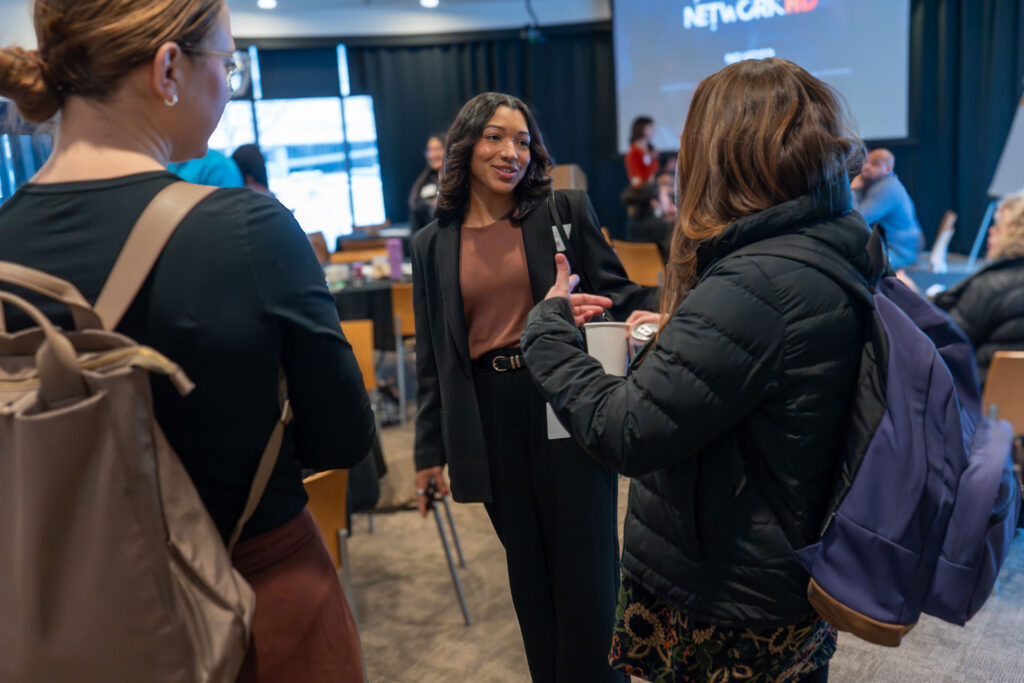
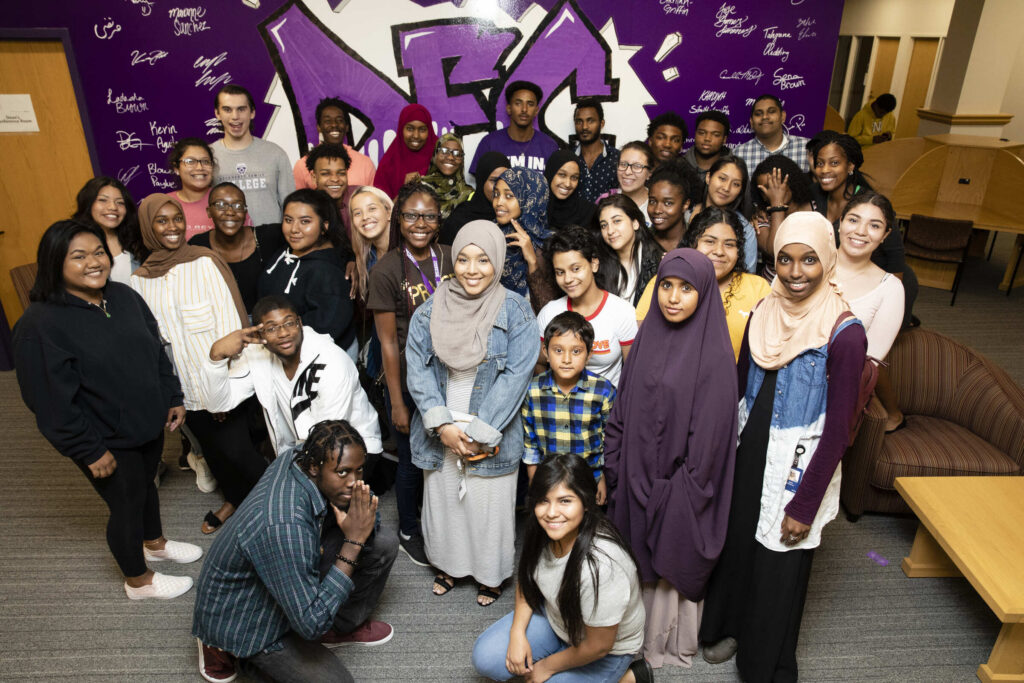
Colón-LaCroix’s passion for changing and dismantling institutional systems is what drew her to Dougherty Family College. The two-year associate degree program was founded to support underrepresented students in an effort to eliminate the opportunity gap and prepare the scholars to continue for a bachelor’s degree.
Her interaction with the scholars at DFC also informed her doctoral work. Tropes told stories suggesting this demographic of students was not supported by their families or community; however, her research showed students were getting the most support from their families.
Dominant narratives pointed to Black and Hispanic first-generation college students as failures referencing statistics showing that demographic experienced lower completion rates and taking a longer time to earn a bachelor’s degree compared to their white counterparts.
“I don't see these as personal failures or failures of community,” she said. “I see them as a predictable outcome of a system that is flawed and created to not support our students.”
Despite the barriers, the student-participants for her study named helping or serving others as their primary purpose for getting a degree.
“Community was both a motivation for school and a source for restoration and resilience,” she said.
Some students talked about success as honoring the family sacrifices that were made for them to be in college. Others talked about success as making their families proud or the importance of representing their culture and heritage.
“For all 11 participants, holistic success really, really mattered,” Colón-LaCroix said. “Success was not just a measure of a grade or an outcome or the time they finished. It was finding a balance between their personal health, their mental health, supporting their communities and families, and completing their degrees.”
In other words, her study found that students didn’t limit traditional metrics such as grades or earning a degree to get a job and high salary, as the only factors of success. The students cited holistic well-being, achieving a degree to make their community proud and looking to use it to impact their community as keys to success.
“Education wasn’t, for them, the endpoint of success,” she said. “It was a through line.”