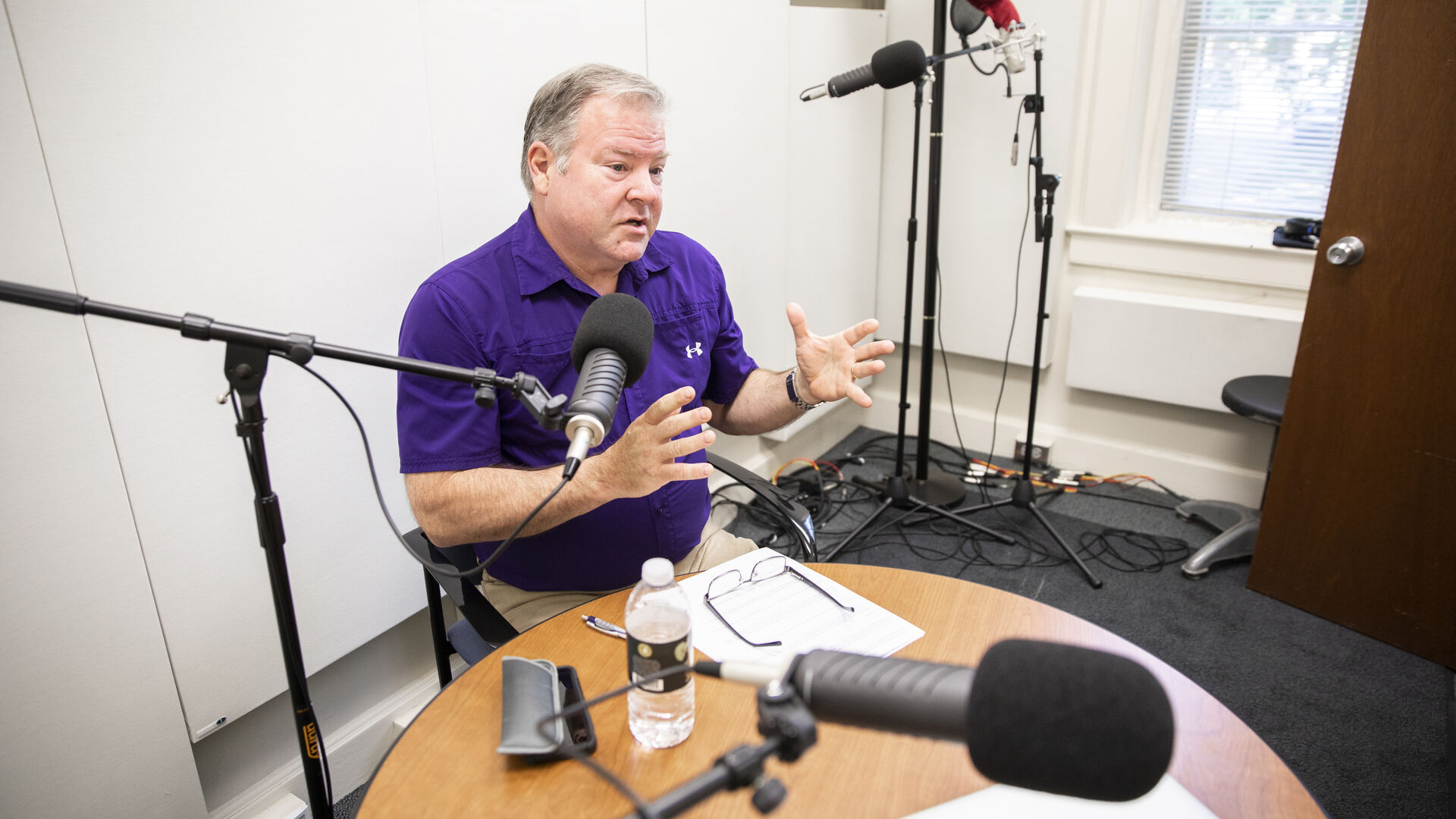
Mike Porter, senior clinical professor of marketing in the Opus College of business at the University of St. Thomas, shared insights on the realities of reputation management during a recent episode of the “Homegrown Hustle” podcast. Speaking with host Matt Eickman, Porter discussed how reputation differs from brand, why businesses must manage perceptions across multiple stakeholder groups, and how frameworks like the PESO model help organizations build trust, financial goodwill and lasting value beyond surface-level marketing.
From the conversation:
Porter: Marketing communicators would say, OK, we have a model we call the PESO model. It’s what’s our paid promotion, right? What we can pay for, we can control that. That’s advertising.
Then we’ve got earned, which is public relations. That’s where we’re trying to get the media to talk about us, or we’re trying to get an influencer to talk about us, and so on.
Then we have the S, which is for shared. So that’s all the social media and all the digital stuff, because we don’t own it. We don’t control it. We control what we say in it, but we can’t control how people are going to react to it.
Eickman: Nor the algorithm that’s going to put it in front of people.
Porter: Exactly, right. So those are things that are out of our control. We share the voice. We share the space with other voices.
And then the O is owned. Ultimately, owned is everything that we print. It is our website. Anything that we absolutely control. Vehicle graphics, uniforms, everything like that. We’re not paying somebody else for placement. It costs us something, but we’re not paying somebody else to place it.
So within that context, today we’re going to talk about the earned piece to some degree. And you could also say that you sort of earn your voice with employees. Because if you just throw employees out into the marketplace and they’re dealing with customers, and you haven’t given them any training, and you haven’t given them a reason to believe in you and your business, it’s no different. It’s just a job.
And those voices, and that could be not just your customer-facing people. It’s not just the people who are dealing with customers every day. It’s the accountant. It’s everybody in the organization who is talking about your business to their friends and family and whoever.
Eickman: It’s culture.
That’s critical. That’s one of the things that’s hard to know as you’re building something. Speaking from experience, the culture kind of develops itself if you don’t put focus and intent behind it.
And with that, it’s the same amount, or an escalated amount, of intent that has to go behind the communication as an organization grows, right?
Porter: Absolutely. And the other thing you want to think about when it comes to this reputation piece is it’s about control. We can control the messages in these other places. And when we say earned, you have to earn that voice to speak on your behalf.