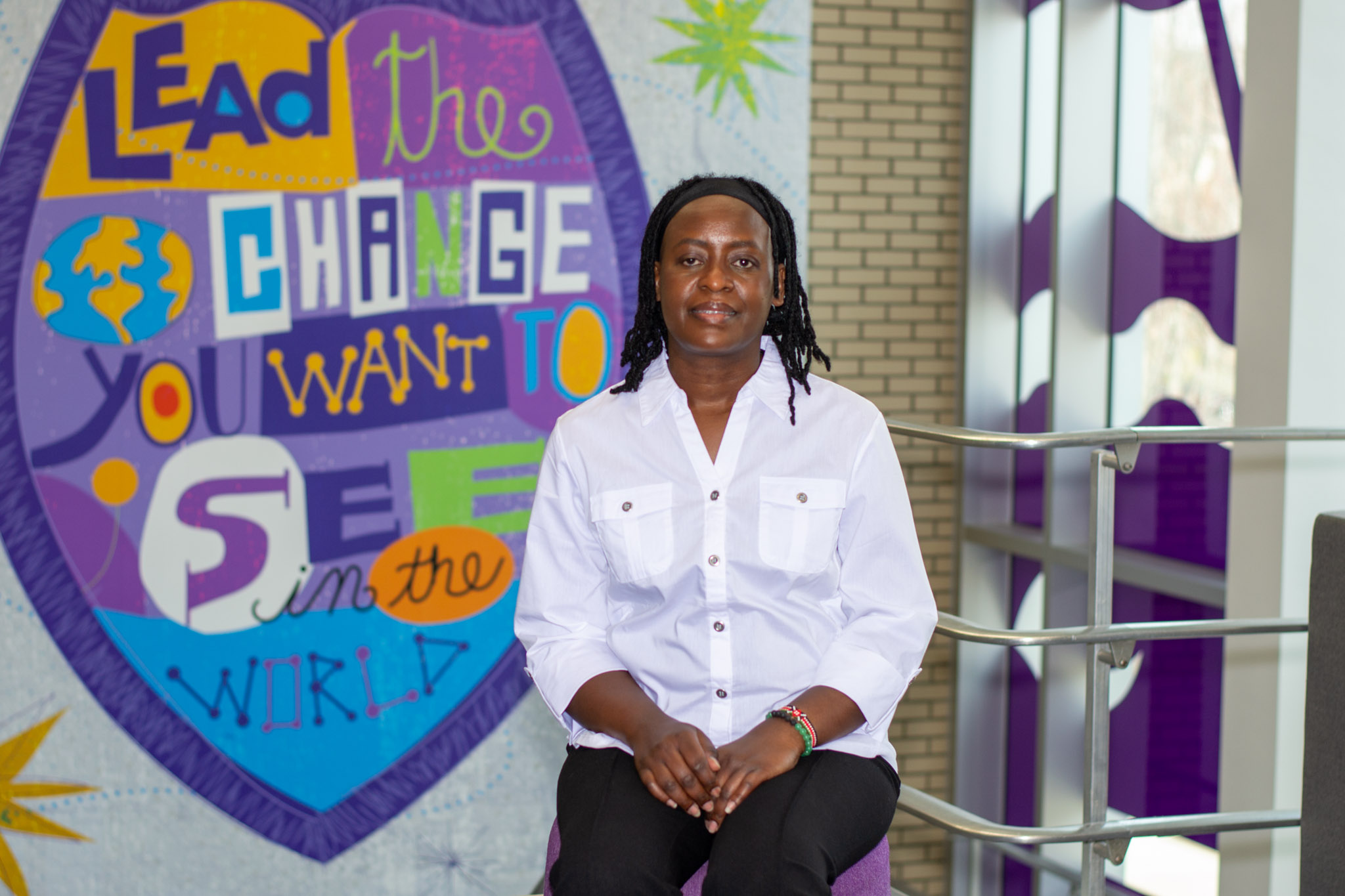
Dr. Vane Gichana, a Susan S. Morrison School of Nursing faculty member at the University of St. Thomas, encourages her students to build small, intentional habits like journaling. She regularly writes in a gratitude journal herself. It’s a form of self-care that reflects her broader belief in holistic care and well-being.
That perspective shapes how Gichana steps into the classroom. She brings a blend of clinical judgment and critical thinking to each class, helping students build the confidence and decision-making abilities they need to provide safe and effective patient care as they transition into licensed practitioners post-graduation.
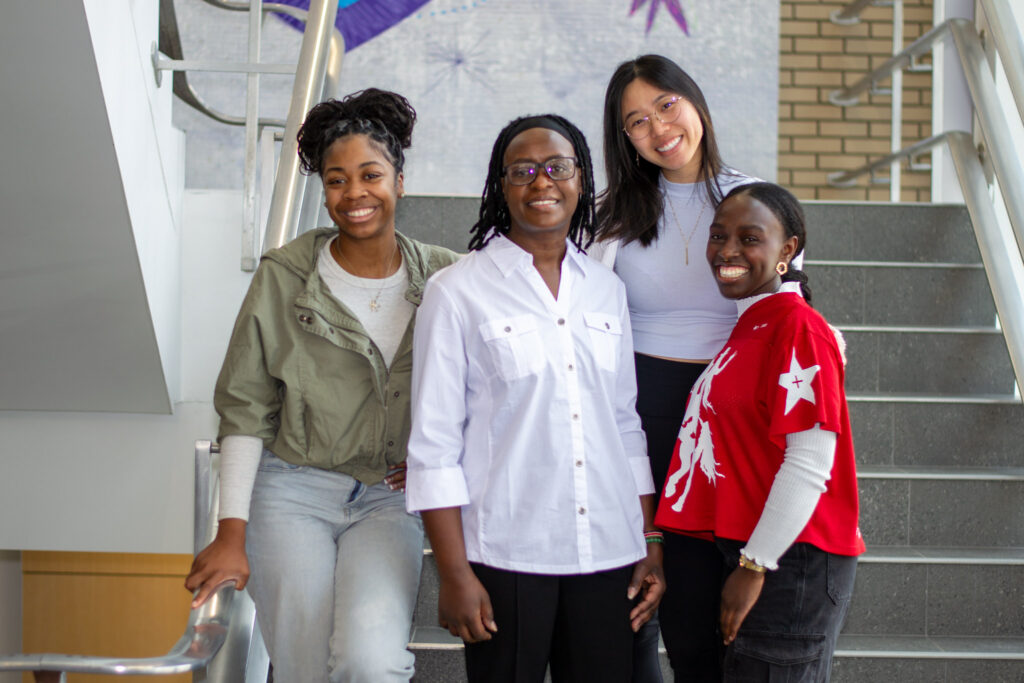
“Teaching future nurses to think critically, act thoughtfully and care deeply is the most meaningful part of my work,” said Gichana, who joined St. Thomas in 2024 as a professor for undergraduate and graduate nursing programs after a decade teaching at other nursing schools. Prior to academia, she worked as a nurse leader and critical care nurse.

“I was inspired to become a nurse because of my love of caring for people,” Gichana said. “I’m very passionate about student success and I feel like I bring real world nursing into the classroom.”
As a Doctor of Nursing Practice, with a focus on nursing education, she collaborates with faculty and healthcare organizations to implement critical thinking educational strategies that improve nursing efficiency and transform patient care delivery.
“When I mentioned to Vane that one of our Health Equity Breakfasts would focus on using mind-body practices to reduce stress, she was eager to be involved,” said Melanie Ferris, director of the Morrison Family College of Health's George Family Whole Person Health Initiative. “Vane speaks openly about how the stress she experienced as an ICU nurse ultimately led to burnout, and that is why she is passionate about helping students have the tools they need to manage the stress they’ll face in health care."
Gichana shared how her experiences and practices inform her approach to resilience, patient care and the future of health care.
When it comes to resilience, what steps can be taken to expand “mind-body” practices to make them more equitable across communities?
To make mind-body practices more equitable, we must integrate them into everyday environments and ensure they are culturally responsive and accessible. Many of these practices already exist within our communities: we simply need to honor them, remove barriers and create opportunities for everyone to experience healing and resilience.
What is “Just Culture” in healthcare and in what ways does it benefit healthcare overall?

A Just Culture in healthcare creates an environment where accountability and learning coexist. Instead of focusing on blame, it encourages transparency, open communication, and system improvement. This approach not only improves patient safety outcomes but also supports the well-being and confidence of healthcare professionals.
What methods can be used for healthcare to make use of AI to make it more intelligent while keeping it human-centered?
AI in healthcare should be designed to enhance, and not replace, clinical judgment. When used thoughtfully, it can reduce administrative burden, support early decision-making, and allow clinicians to spend more meaningful time connecting with patients. The goal is a partnership where technology strengthens, rather than diminishes, the human experience of care.
You blogged about embracing life’s rhythm with patience and trust … how has this impacted your wellness?
Embracing life’s rhythm with patience and trust has transformed how I approach both my personal and professional life. It has helped me slow down, reduce stress, and make more intentional decisions. Wellness, for me, is about alignment, being present, purposeful, and trusting that growth unfolds in its own time.