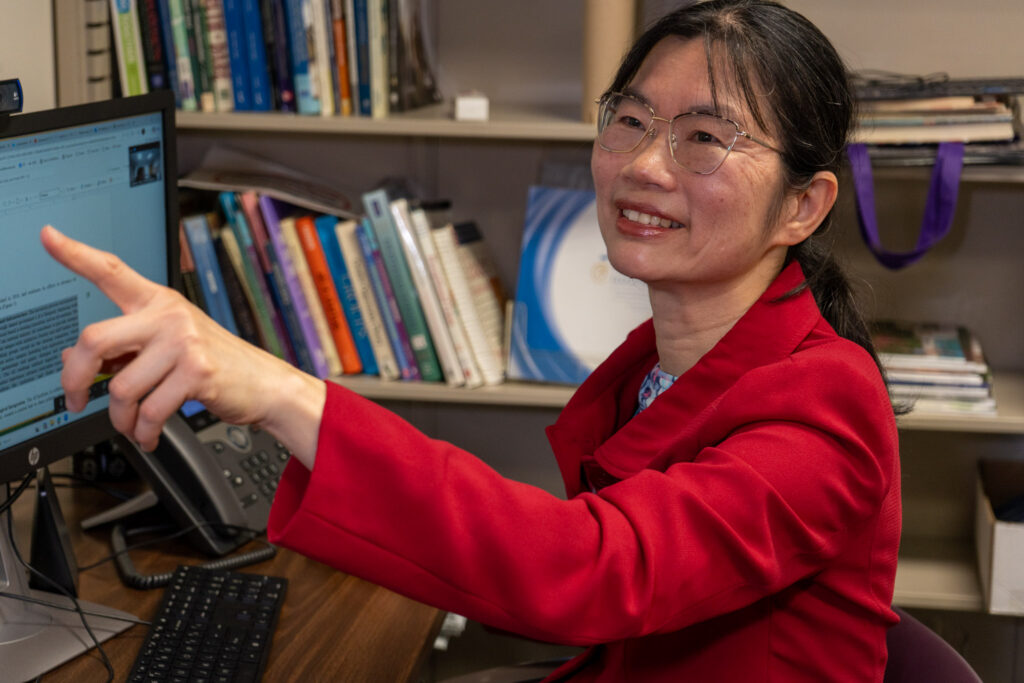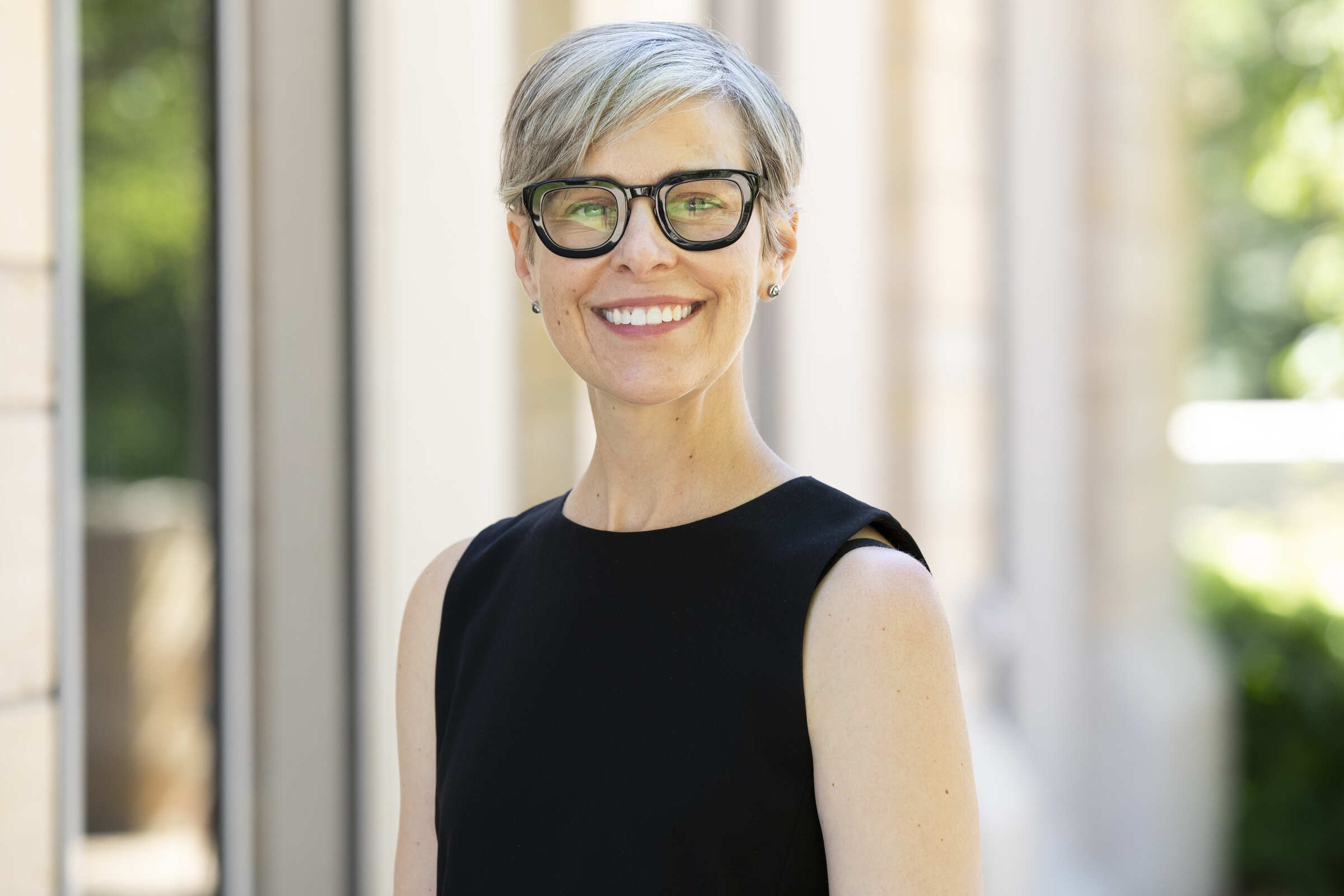
April Eichmeier, assistant professor of emerging media at the University of St. Thomas College of Arts and Sciences, challenges how students understand the way knowledge is created, shared and understood.
At the center of her most recent course, Science, Media and Social Impact, is how science interacts with the media and public perception. At the core, Eichmeier challenges her class to ask: Who gets to decide what counts as knowledge?
“We are in a place where we have a fragmented media environment with lots of voices,” Eichmeier said. “Some of whom say things that might not align with our consensus of science.”
Research in the classroom
“She taught me to enter conversations and debates with a firm knowledge of where my expertise lies, and to always explore issues with an open mind, exploring all possible perspectives with an understanding that all issues interact and overlap with society and human communication,” said Elleson Connelly ’28, a chemistry major who is also the communications chair of the Creative Writing Club.
In an article published in 2024, Eichmeier dives into how to communicate science to audiences with low engagement in science and technology during her study of how the “Last Week Tonight” show enhanced the audience’s knowledge on gene editing. That research helps form her class structure.
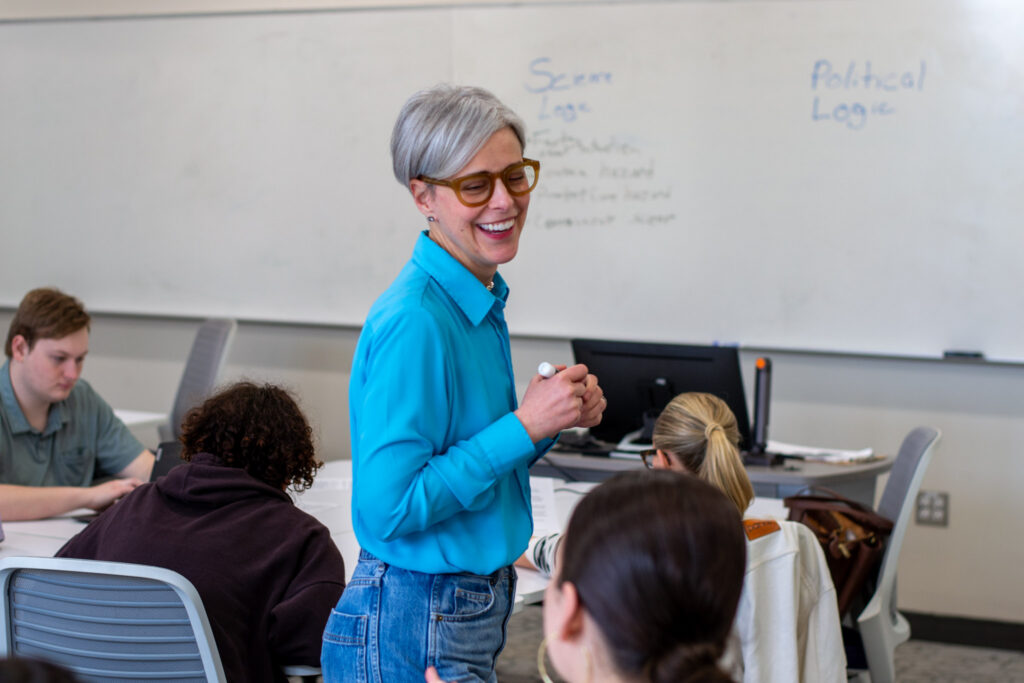
“In science communication, the natural inclination for people is that knowledge comes from scientists, doctors or other people tangentially involved in other fields that touch science,” Eichmeier said. “But the key point is that our media system has enabled new voices in that discussion of who decides what is knowledge.”
Rather than presenting science as a set of facts, Eichmeier emphasizes how knowledge is curated by media, culture and power.
“But we know that communicating science is so much more than giving facts,” Eichmeier said. “When it involves people having power, or making policies, we know that science doesn’t remain politically free and neutral.”
From public health to emerging technology, students explore how information is communicated and interpreted across audiences.
Culture and cadence
Centered on discussions, Eichmeier creates a focus on student participation through an expression of critical thinking.
“Within the entirety of my class, is this whole idea of who makes knowledge and what does it mean when knowledge becomes a policy or the way that we operate in society?” Eichmeier said.
Eichmeier encourages students to question assumptions; her course welcomes students from a range of majors who contribute different perspectives to complex topics.
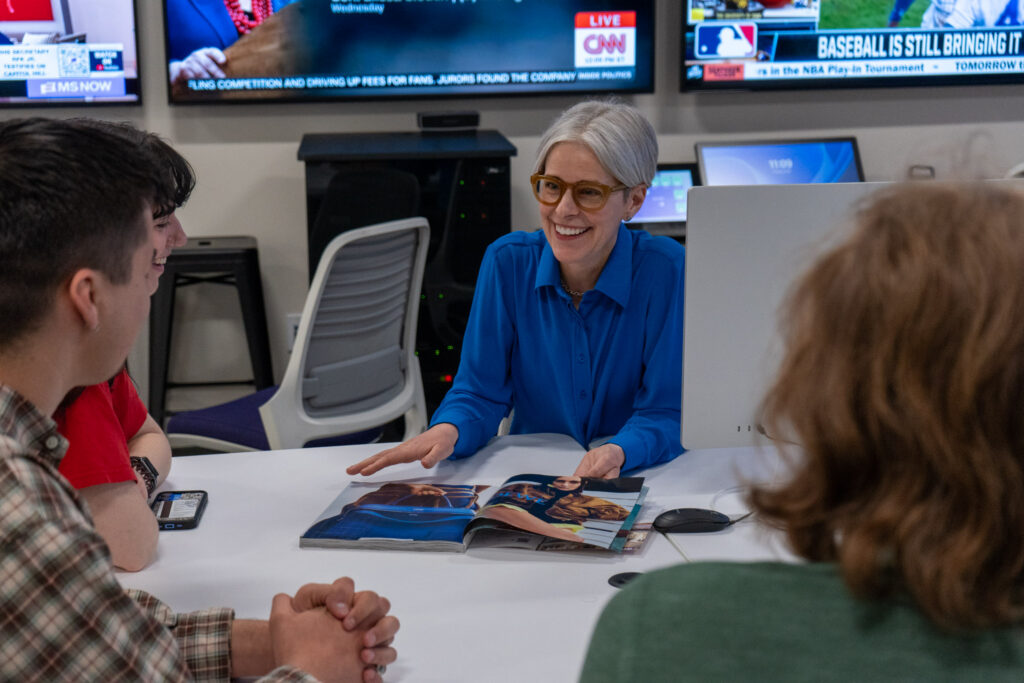
Natulia Momo ’27, who has Eichmeier as an adviser through the St. Thomas student-led news outlet The Crest, described Eichmeier as bubbly and empathetic.
“I think what makes students feel comfortable, whether it’s working or talking to (Eichmeier) is that she’s always giving us the space to talk about something that we’re interested in, and she always wants to hear our ideas on things,” Momo said. “Her conversations always come with jokes, which brings laughter so all of that really makes the relationship less intimidating or awkward.”
Success in navigating media landscapes
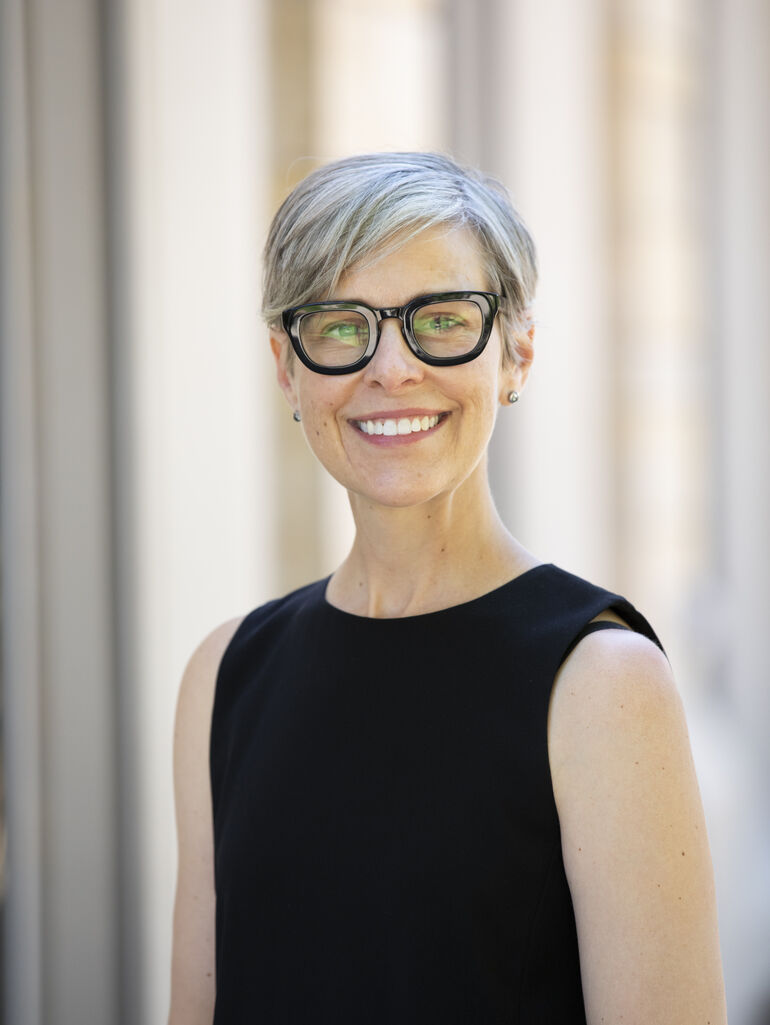
Reflecting today’s challenges in media, Eichmeier calls attention to the challenges students will face in the current media landscape and navigating a wide range of sources.
Eichmeier guides students to think about how people form beliefs, especially when intuition is in play.
“One of my arguments in my latest paper was that we have people who want to use their intuition,” she said. “If you trust your intuition to tell you what’s fact and what’s not fact, do you need the rest of the facts?”