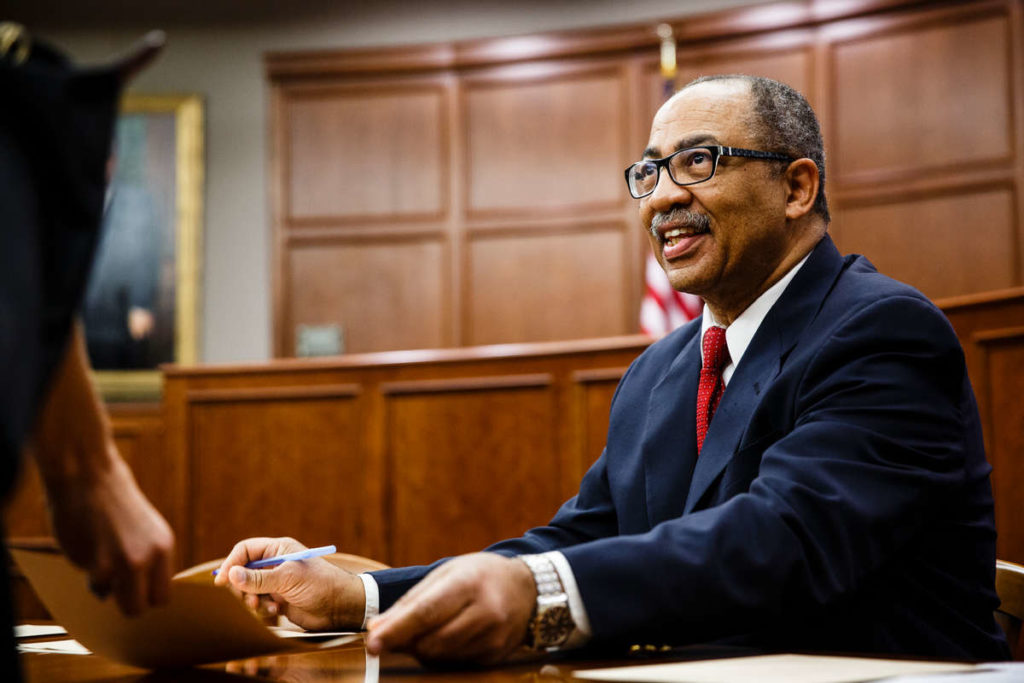
Professor Carl Warren, a quiet yet resolute presence in the Interprofessional Center (IPC) for Counseling and Legal Services at the University of St. Thomas School of Law, will retire at the end of the 2025-26 academic year. For the past decade, he has taught law students in the law school's Community Justice Project (CJP) legal clinic how to use their skills to advocate for community based public policy solutions for underserved communities and individuals in the juvenile justice, housing, education and criminal justice systems.
“One of the things that excites me most is the opportunity to raise students’ awareness not only about social justice issues, but about their ability to have an impact, even as students. There’s nothing more satisfying than seeing that ‘aha’ moment as they realize they can make a difference in their community,” Warren once said. “When they fully realize the impacts of these issues, it’s almost like a fire is lit. They become quite passionate and dedicate themselves to trying to make a difference and create change. I see that every semester.”
Founded in 2007 and under Warren’s direction since 2016, the CJP has continued its mission to challenge laws and policies that negatively impact communities of color and marginalized groups. It has routinely sought to influence national social justice issues at a local level.
When a series of police officer involved deaths across the country included references to the term “excited delirium,” CJP students analyzed its application, along with the use of the sedation drug ketamine, by law enforcement in Minnesota. Students partnered with community groups to press for changes to police protocols and used the media as an outreach tool, writing op eds and giving interviews to inform the public.
After Breonna Taylor was killed in 2020 by police in Kentucky who forcibly entered her apartment to execute an unannounced or “no-knock” search warrant, CJP students began researching the issue and seeking legislative reforms locally.
Other initiatives taken on by the clinic were perhaps less known by the public, but no less important to the individuals they affected, such as working with the Minnesota Department of Human Rights in its investigation of the disproportionate discipline of students of color in schools, raising awareness and driving policy change around the inflated fees for phone calls from jails and prisons and researching the effectiveness of juvenile residential treatment programs and the measures available to regulate them.
Last year, three CJP students worked to change Minnesota’s sentencing laws to require judges to consider the impact, if any, of domestic violence on victims of abuse and exploitation, where such violence was a factor in the crime that they had committed.
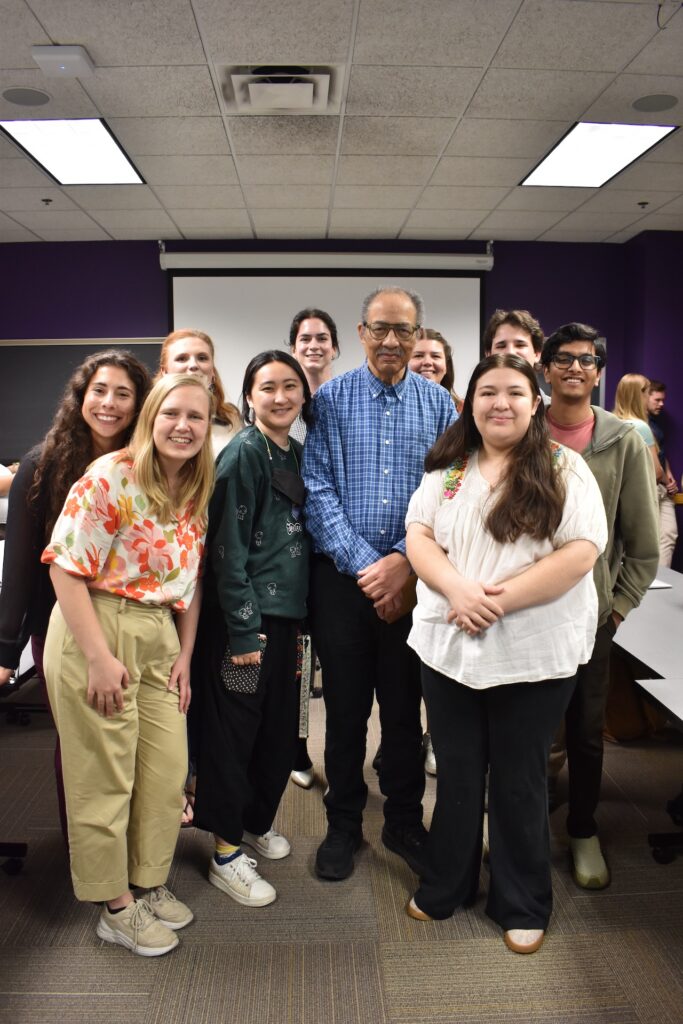
“Giving students the opportunities to have experience in this or other areas of real practice equips them for the work they will be doing after they graduate,” Warren said in 2020. “Education is only meaningful when it ultimately applies to real life. It’s one thing to be learning about a topic such as social justice; it’s another thing to be engaged in it. The most effective teacher is experience.”
His dedication to his work and care for students was always evident to his St. Thomas colleagues.
“Carl is the kindest person on the planet,” said St. Thomas Law Professor Virgil Wiebe, who leads the Immigration Law Practice Group clinic. “Others describe this as gentleness, as having the gift of being able to correct students without being too blunt, as having a wry sense of humor.”
“If you’re looking for the loudest voice in the room, it’s not his,” said former law school dean and current university President Rob Vischer. “If you’re looking for a thoughtful, deeply committed mentor and guide for students interested in making the world a better and equitable place, look no further than Professor Carl Warren."
In addition to the clinic, Warren was the co-chair of the law school’s Diversity and Inclusion Committee, a member of the curriculum committee and a Roadmap/Mentoring Path to Excellence Coach. He was also the faculty advisor for the Anti-Racism Alliance student organization.
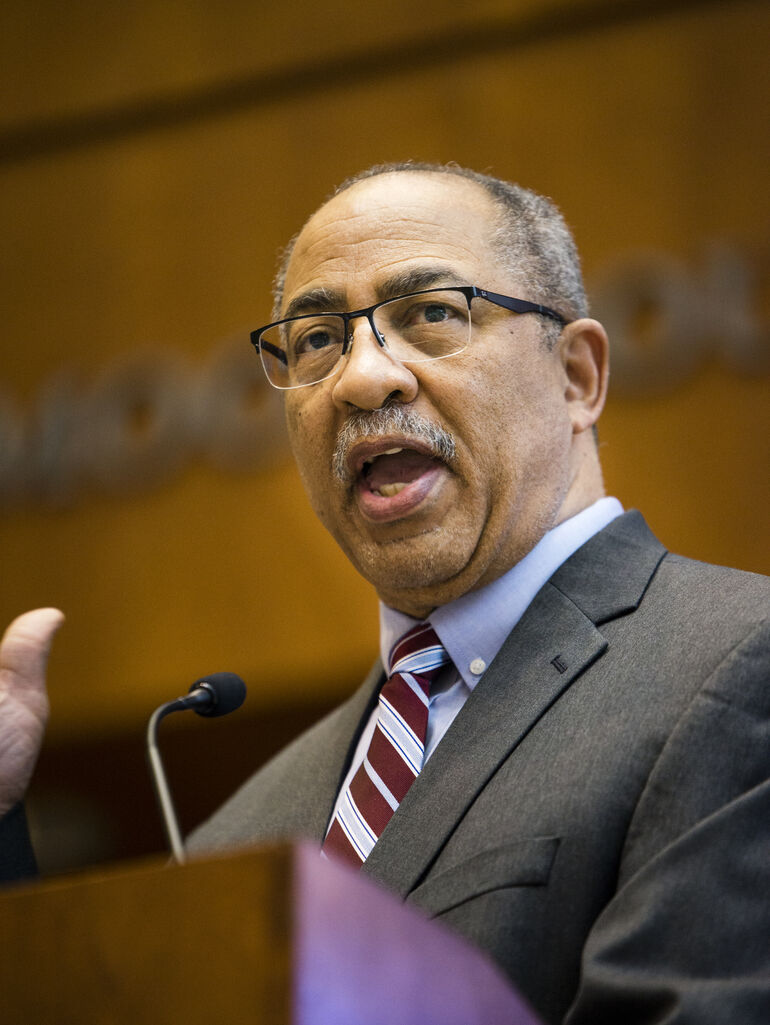
Warren says the idea of becoming a lawyer was introduced to him as a freshman at St. Olaf College in Northfield, Minnesota at a meeting coordinated by the University of Minnesota Law School and an African American attorney.
“The purpose of the meeting was to expose African American students to opportunities to apply to law school and become attorneys,” he said. “The idea was intriguing. I had never thought of the possibility of becoming an attorney because I didn’t think that door was open to me.”
Warren went on to earn his J.D. from the University of Minnesota in 1975 and embarked on a successful career as a trial attorney in the Office of the Attorney General of Minnesota (AG).
He spent three years in the Public Utilities Division before transferring to the Human Rights Division for the next 12 years, where he investigated and litigated discrimination claims in Minnesota District Court and before the Office of Administrative Hearings. He also argued cases before the Minnesota Court of Appeals and Minnesota Supreme Court.
“My interest in human rights dates back to my childhood,” said Warren, who was born in Chicago. His family moved to Minneapolis when he was three so his father, who was a podiatrist, could establish his practice.
“My mother was a strong and fierce advocate for human rights and racial equality. She frequently spoke on these topics at meetings, conferences, panel discussions and political events. As I got older, she would on some occasions bring me along and I got to see the impact and importance of what she was doing."
In 1990, Warren accepted an offer to join the University of Minnesota Law School for one year as a visiting professor. He had always had an interest in teaching and when a permanent position became available after that first year, Warren applied and became part of that clinical faculty for the next 26 years.
He led the school’s Civil Practice Clinic and served as the faculty advisor for the school's William E. McGee National Civil Rights Moot Court Competition.
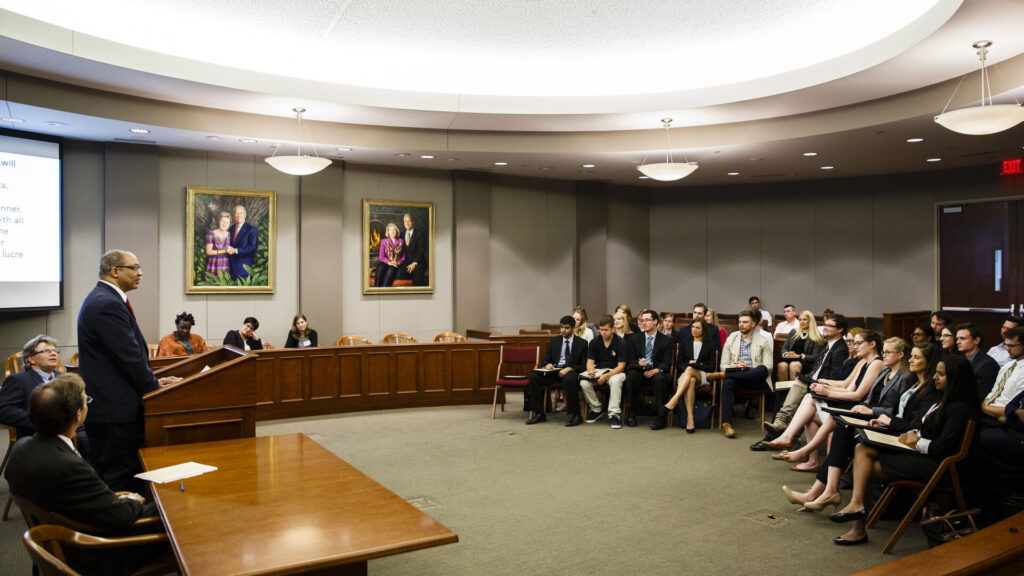
Before becoming a law professor, Warren was a teacher and mentor within the Minnesota legal community, particularly around human and civil rights issues.
While at the AG’s office, he routinely gave Continuing Legal Education (CLE) presentations, workshops and seminars for local bar associations, universities, government agencies and other legal organizations on topics such as the Minnesota Human Rights and Fair Housing acts, racial bias within the justice system, affirmative action in higher education, school segregation, cultural competency, serving immigrant communities and representing clients with mental disabilities. He also presented on effective interview techniques, cross examination approaches and how to conduct effective depositions.
Throughout his career, Warren has been a member of the American, Minnesota and Hennepin County Bar Associations, Minnesota Association of Black Lawyers (MABL), Clinical Legal Education Association (CLEA), Society of American Law Teachers (SALT) and National Bar Association (NBA).
Warren was a member of the Board of Directors for the Housing Preservation Project, now the Housing Justice Center, from 2004-2018, an organization that works to preserve existing and encourage the production of affordable rental housing. In 2011, Warren began a two-year term as a member of the Association of American Law Schools Clinical Section’s Nominations Committee. He was a member of the Protection and Advocacy for Individuals with Mental Illness Advisory Council from 2010 to 2016.
Warren has also been a leader in his community.
He was a member of the Board of Regents of St. Olaf College from 1986 until 1999. It was at St. Olaf, in the 1970s, that he met his wife, Sue, who passed away in 2016.
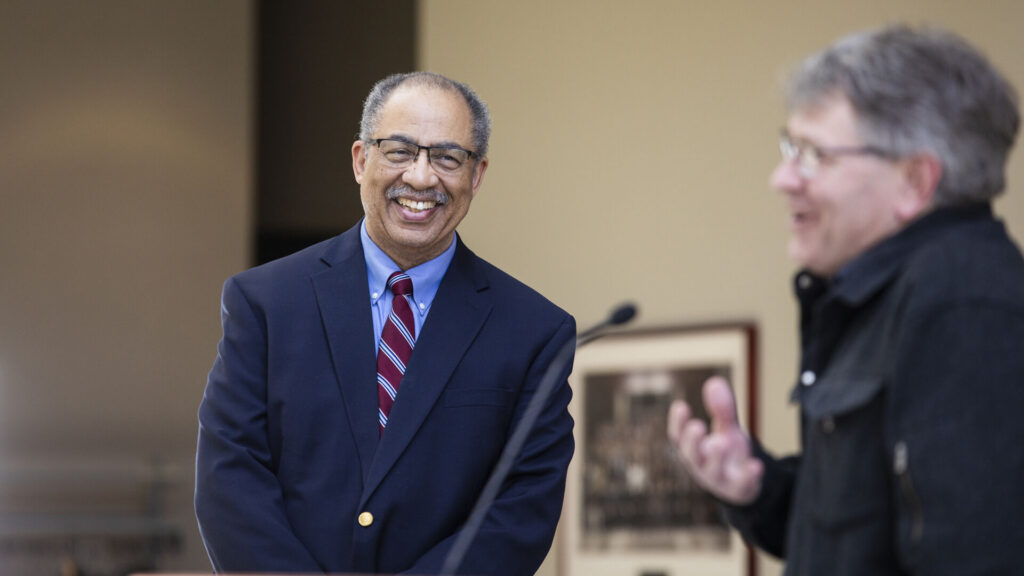
Together, they shared a love for animals and cultivated a life of service and faith in Minneapolis and later in River Falls, Wisconsin. They encouraged their children’s—Noah and Sarah—interest in music and the arts, with the Warrens serving on the board of the Phipps Center for the Performing Arts Children’s Theater in Hudson, Wisconsin from 1994 to 2001.They also engaged in several Lutheran and Methodist faith communities, teaching Sunday school and confirmation classes, and as part of the music ministry. The family moved to River Falls in 1990 to a hobby farm, which allowed them to pursue an interest in horses. Warren served on the board of the Minnesota Arabian Horse Association from 1996 to 2000.
Warren and his partner, Margaret Borg, look forward to spending more time with both their families, their grandchildren in particular.
Over the course of his career, Warren received University of St. Thomas School of Law Mission Awards for Excellence in Professional Preparation and Outstanding Teaching, and two University of Minnesota Law School Stanley V. Kinyon Clinical Teacher of the Year awards. He was also given the Alumni Achievement Award for Outstanding Community Service and Support for St. Olaf College from the St. Olaf College Cultural Union for Black Expression.
In his retirement, Warren will step back from being directly involved in policy work, but he has a well-established legacy that will carry on through his law students.
“One of my clinics has recently engaged in legislative advocacy work at the State Capitol,” Professor Wiebe said.“It has been fun to see former students of Carl’s now engaged in full time lobbying work on behalf of good causes. His legacy lives on in their lives and work.”